

For Fresno State engineering students, long nights in the lab, early morning lectures and nonstop deadlines are just another week.
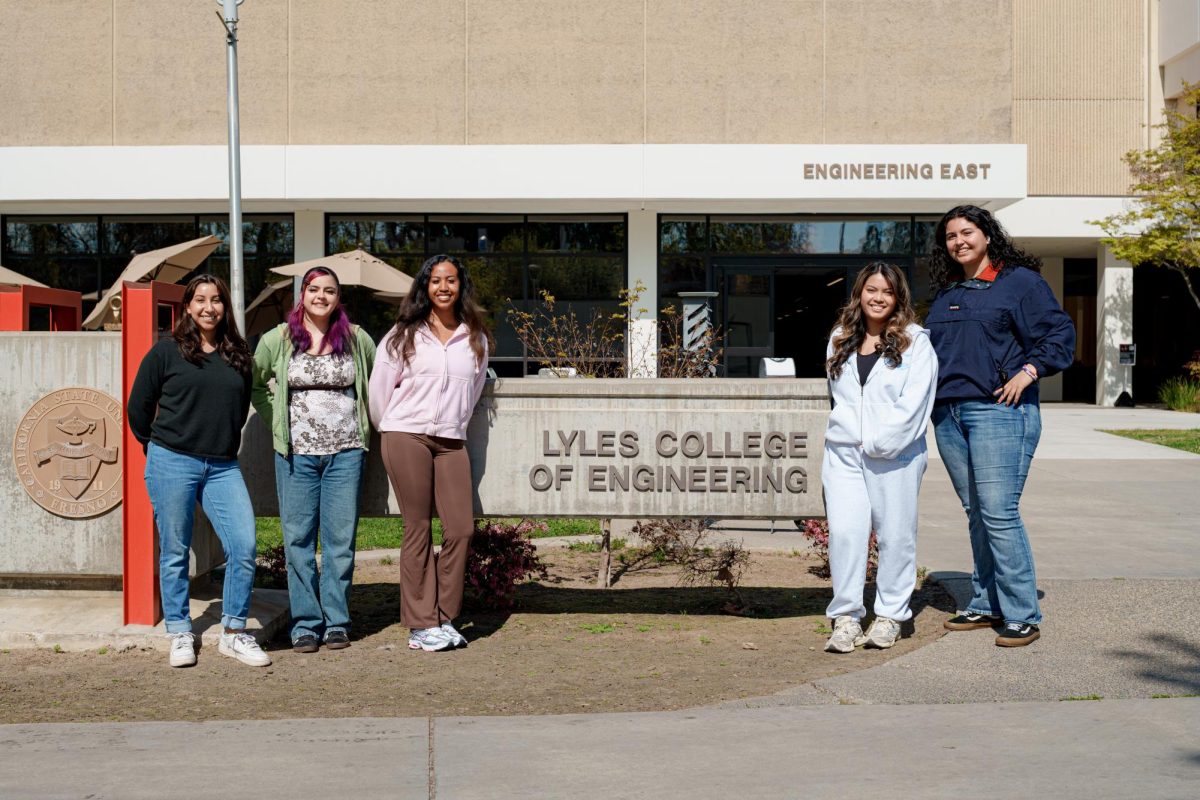
From group projects in Industrial Technology to late-night study marathons in the Engineering East building, the grind doesn’t stop. And for many students, neither does the stress.
“I love what I’m studying, but sometimes it feels like everything is due at once,” said Juanita Garcia, a senior mechanical engineering major. “You’re expected to perform like a machine, but you’re still a person.”
Juanita Garcia is taking 16 units this semester and works part-time at a local coffee shop. On top of that, she commutes from Lemoore and helps care for younger siblings at home. That kind of schedule doesn’t leave much room for rest.
“My day usually starts at 6:30 a.m. and ends around midnight with class, work and homework packed in between,” Garcia said.
Still, Garcia is not the only one feeling the weight of the workload.
Students across Fresno State’s Lyles College of Engineering say that while they’re passionate about their majors, the pressure to keep up with assignments, labs, internships and exams can sometimes take a toll on their mental well-being.
“I think there’s this culture in engineering where if you’re not pulling all-nighters, people think you’re not working hard enough,” said Kai Cayetano, a senior in mechanical engineering. “It becomes this weird competition over who’s more stressed.”
Fresno State offers mental health resources through the Student Health and Counseling Center, including therapy, support groups and drop-in wellness sessions. But some students say they’re unsure how to start the process or worry that their stress isn’t serious enough to qualify.
“I never really thought about signing up for counseling last year, because I wasn’t sure it would really even help,” said Cayetano. “And I didn’t want to take time away from focusing on the number of assignments I had to complete.”
Instead, he found small ways to manage stress like joining a study group with classmates and scheduling time for breaks, even if it’s just 20 minutes to walk around campus.
“Talking to people in my major really helps,” Cayetano said. “Even just hearing someone say they’re struggling too makes it easier.”
Others find support through engineering clubs or informal mentorship from professors.
“There’s a lot of pride in figuring things out yourself,” said Nick Figueroa, an electrical engineering major. “But I’ve learned it’s okay to ask for help even if it’s just asking someone if they want to study together or go over the answers we ended up with.”
In the future, students hope there’s more open conversation around mental health in STEM fields especially in programs as rigorous as engineering.
“We talk about designing safer systems and building things to help people,” Figueroa said. “We just have to remember that includes taking care of ourselves, too.”