
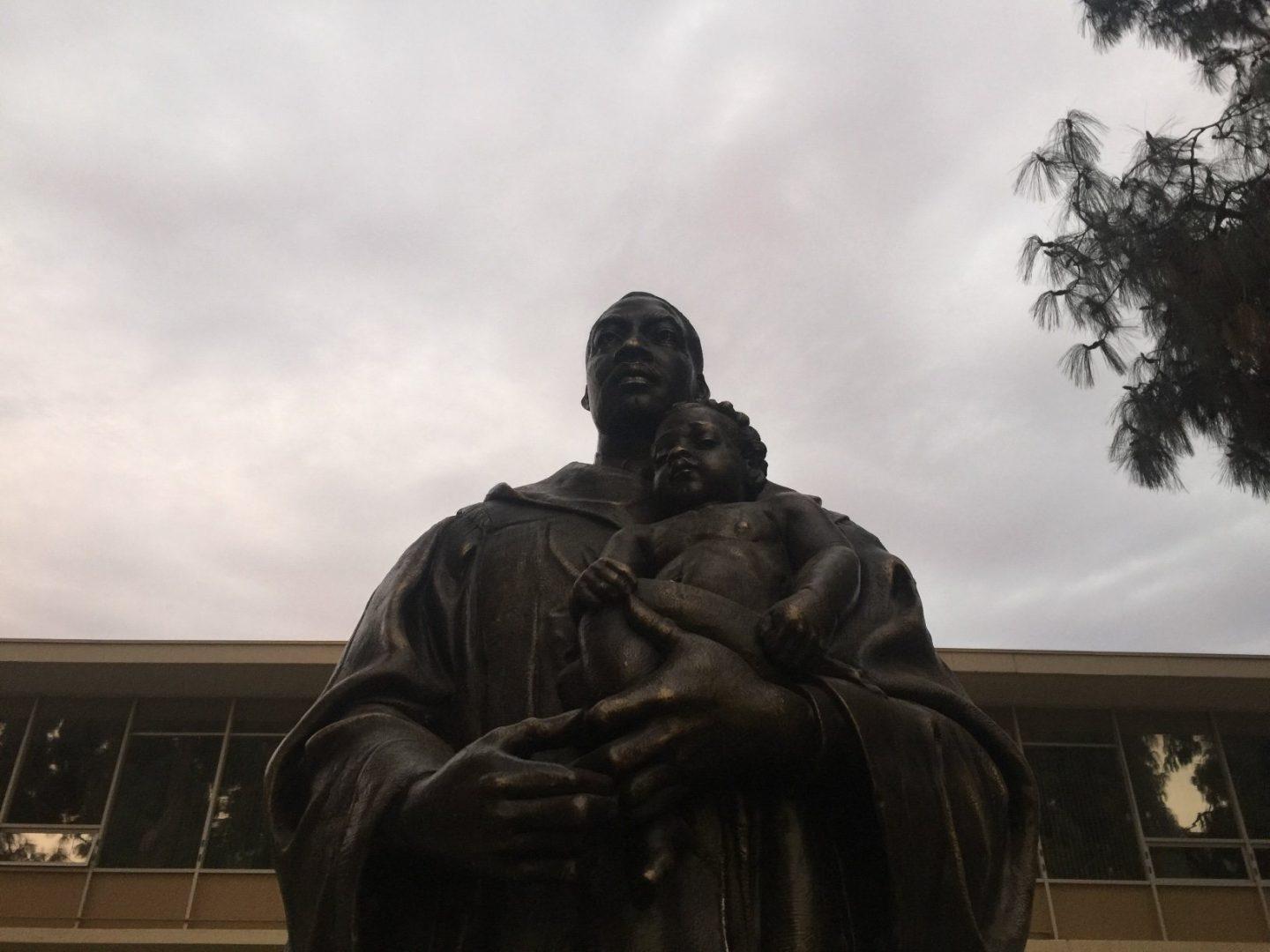
Every year, Martin Luther King Jr. Day arrives with a familiar feeling. Schools close, offices pause and social media fills with quotes from powerful speeches. The day is surrounded by unity, equality and progress.
To myself, however, MLK has started to feel less like a moment of reflection and more like a routine. Still, the day poses a harder question: how closely does the America we live in reflect the America that King fought for?
That question feels a bit uncomfortable, and it feels easier to avoid it as a whole than really dive deep into that investigation.
King did not advocate for comfort. King was not afraid to challenge power or call out inequality and complacency. He spoke honestly and openly regarding poverty, militarism and the dangers of valuing order over empathy just because it feels easier.
Today, MLK Day is often seen as a celebration of unity rather than an opportunity to confront his unfinished work, and in my opinion, that shift makes it far too easy for people to feel inspired without feeling responsible.
In a lot of ways, the struggles King spoke out about feel just as present now as they were then. Economic inequality continues to widen, with wealth being attainable only among a small portion of people, while millions struggle with being able to afford rent and groceries.
Additionally, voting rights remain inconsistent as new voting laws shape who has access to the ballot and whose voice matters. Racial disparities persist in education, healthcare and the criminal justice system, where the outcome depends on racial and economic lines.
While legal segregation has ended, structural barriers continue to affect who has access to opportunity and who does not. Acknowledging this does not erase the progress, but it does force a realization of how far we are from the finish line. The progress made is real, but it is uneven.
Lately, the social climate feels overwhelming and fragmented. It feels as if everyone is always reacting but rarely ever listening. Outrage travels faster than understanding, and activism is often consumed by performance rather than persistence.
King’s call for disciplined nonviolence and moral commitment demands patience, which is a quality scarce in a world that thrives on fast reactions. Personally, MLK Day forces me to confront how far today’s idea of social change has drifted from the standard that King stood for.
MLK Day should not be treated as a moment of self-congratulation, but as a self-checkpoint. I see it as a pause meant to evaluate progress. It asks whether justice is being actively pursued or simply referenced. It asks whether equality is being expanded or narrowly defined. Most importantly, it asks individuals to consider their own role as participants in shaping it.
For students, MLK Day serves as a reminder that education carries responsibility. King viewed young people as vital to social change. Honoring his legacy involves critically engaging with society while recognizing that existing conditions are not fixed.
It also means that acknowledging that being informed without being involved is not what King stood for, and not what he would have wanted for the young people of today.
MLK Day is not about nostalgia. To me, it is about accountability. The question is not whether we quote him correctly, but whether we live in a way that makes those words impossible to ignore the rest of the time.