Bees have had way better PR than wasps, with “Save the bees” being a very popular conservationist slogan. Not only that, but bees have the advantage of being adorably fuzzy and making our favorite thing to put on toast.
Wasps, on the other hand, have gotten the short end of the stick. Lots of people think they’re scary and ugly. At least, given how people tend to react when a few fly near them outside.
Even looking online for wasp information to include here, most of the websites that came up talked about them as pests. (No, Google, I’m not looking for extermination services near me. Kindly, buzz off.)
As we enter another hot, hot summer, there are wasps all around. And I’m excited! If I may be totally honest, we’re too mean to wasps. They’re much more interesting and important than we give them credit for, and the disgust people have towards them is completely unjustified. I used to be terrified of wasps, but learning more about what they do gave me a new appreciation for these hard-working bugs.
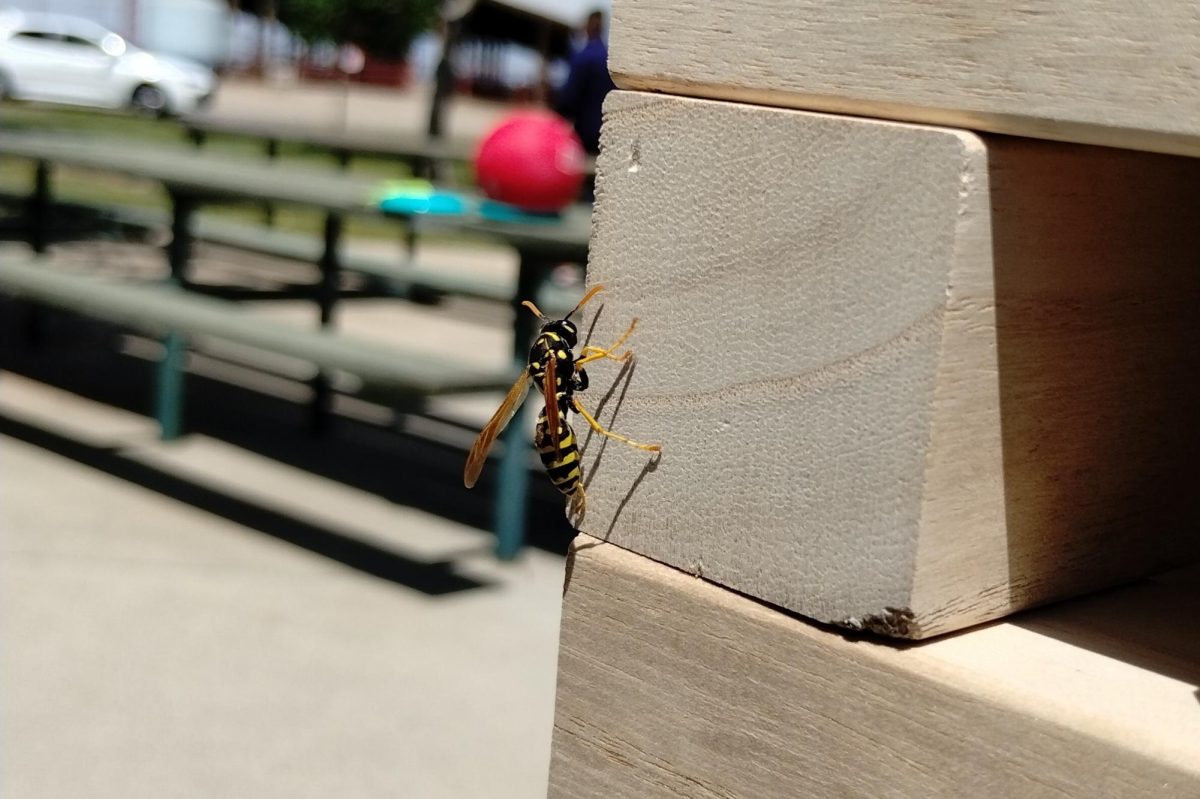
First off, wasps are actually gorgeous. They’re sleek and shiny. They look as if a race car were a bug, or like a bold piece of jewelry you’d find in an antique store. Though, I promise I’m not just here to gush about their stripes.
California has many wasp species. In the Central Valley, the most common are yellowjackets, hornets and paper wasps. Like bees, these wasp species are social, with nests including a queen, worker females and short-lived males.
Their nests are made of papery substances made by chewing bark, with hornets and yellowjackets building enclosed, almost cone-shaped nests, while paper wasps prefer a more open floor plan. Some people collect wasp nests, with large ones in good condition looking absolutely stunning on any shelf or mantel. It is typically recommended to wait until the nest has been abandoned first.
Most wasps don’t make honey, but that doesn’t mean they aren’t still important, both to us and to everything else.
Wasps are pollinators, which both farmers and the ecosystem at large depend on, even if they don’t pollinate as effectively as bees. They’re also a valuable form of pest control, as they eat other insects that threaten crops.
A 2021 scientific review article published in “Biological Reviews” explains how social wasp species are understudied but can be a huge benefit to agriculture, both as pollinators and predators, which makes them especially relevant to farming-intensive areas like the Central Valley.
Their roles tend to go underappreciated, especially as they’re broadly labeled as pests without a second thought.
Even aside from that, though, I think it’s wrong to judge bugs solely based on how useful they are to us. The idea that nature only exists to serve humans, and never the other way around, has been incredibly destructive.
I sympathize with being scared of wasps because of their sting, especially if you’re allergic. Even if you’re not, you should absolutely put your safety first. I’m not telling you to go frolicking into a swarm of wasps or tolerate wasp nests in dangerous locations. I love wasps, but I’m not about to start grabbing them out of the air with my bare hands to give them hugs and kisses.
However, there is a world of difference between keeping a safe distance from a bug and trying to exterminate it at every opportunity. You can be kind to wasps while also staying away from them.
Wasps have plenty of reasons to be scared of us, too, but you don’t see them commenting, “EWWW, kill it with fire!” under our selfies on Instagram.
I think people have more in common with wasps than we’d like to admit. We both like making things out of paper. We both like hanging out with our sisters. We both like sweet, sugary Bath and Body Works body sprays. We both like soda and fruit juice. We both like picnics in the park on a pleasant day.
If a wasp or two start flying around you, they’re probably just curious. Maybe they like your perfume, or want a sip of your soda. Just hold still, and they will eventually fly away. Probably.