
Democracy rarely dies in a single moment. It unravels in whispers. In courtrooms. In classrooms. In silence.
It fades not with tanks in the streets, but with laws passed quietly, freedoms chipped away with a smile and books removed from shelves before anyone notices they’re gone. It fades when truth becomes optional, when facts are dismissed as attacks and when power rewrites its own rules—then teaches our children that this is normal.
Today, the signs are all around us. Judges handpicked not for impartiality but for ideology. Voters purged from rolls. Ballots made harder to cast. The press constantly undermined. Protesters treated like threats. Citizens encouraged to doubt the very system they participate in.
And still, it’s easy to believe this is just the way things are now.
But this is how freedom ends—not with a sudden collapse, but with small, strategic decisions that seem reasonable in isolation. That’s how authoritarianism rises: dressed in patriotism, justified by tradition and protected by denial.
Across the nation, books are being banned—not because they’re dangerous, but because they’re uncomfortable. Stories that speak truthfully about race, gender, history and identity are stripped from shelves, labeled as threats. But censorship doesn’t protect children. It protects power.
In states across the country, bodily autonomy is no longer a guaranteed right. Women are being told what they can and cannot do with their own lives. Decisions that should belong to families and doctors are now made in legislative chambers by people more loyal to ideology than empathy.
And immigrants—who once looked to America as a symbol of hope—are being treated like criminals for daring to seek safety, work or a future. Policies meant to dehumanize are disguised as “security.” Language meant to divide is passed off as “truth.”
All of this is happening while disinformation spreads faster than facts. While conspiracy replaces conversation. While history is rewritten in real-time.
If this sounds familiar, it should. Democracies across the world—Hungary, Venezuela, Turkey and yes, once Germany—have all followed a similar pattern. Free societies don’t become authoritarian overnight. They erode from within when fear becomes more powerful than freedom, and when comfort is valued over courage.
This is not a partisan crisis. It is a moral one.
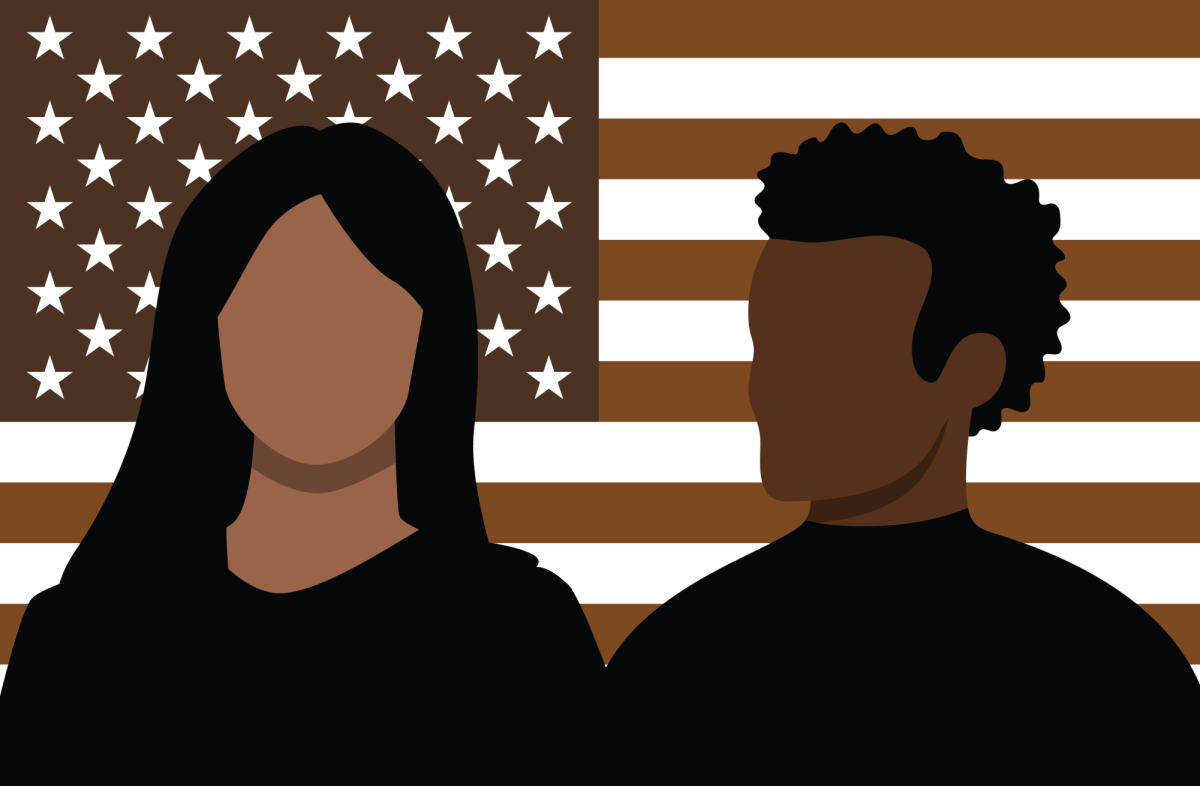
The health of a democracy isn’t measured by its flag or its anthem—it’s measured by how it treats its most vulnerable, how it handles disagreement, how willing it is to hear uncomfortable truths and whether it protects the freedom to dissent.
The crossroads are here. Not someday. Now.
Will we remember who we are? Or will we let this slow march toward silence and submission carry us into something far more dangerous?
History doesn’t ask whether people meant well. It only records what they allow.