The 22nd season of “The Bachelorette,” which was set to premiere March 22, featured content creator and reality star Taylor Frankie Paul, was canceled after a resurfaced video from 2023 showed Frankie Paul attacking her ex-boyfriend, Dakota Mortensen.
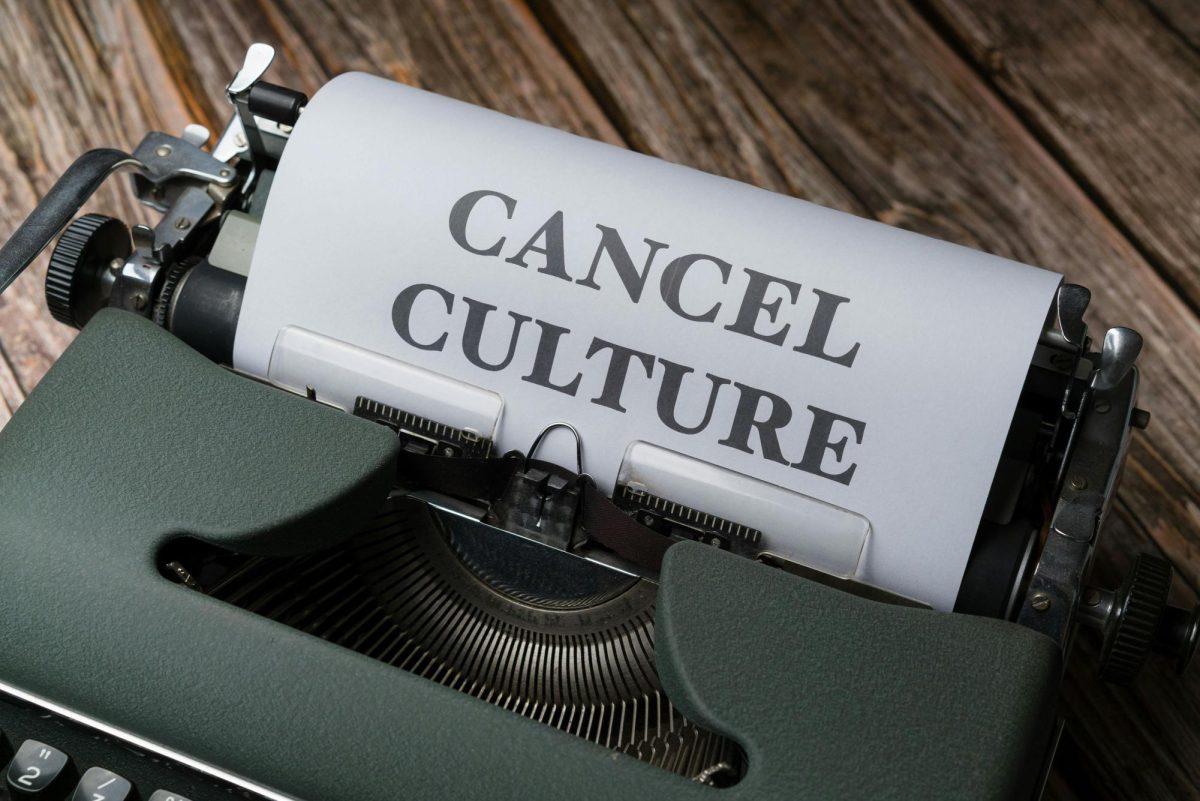
Frankie Paul has since been “canceled” online since the video came to light, leading to public backlash and loss of support. While incidents like this aren’t new, their resurfacing years later shows how difficult it can be for public figures to cover up their past.
The video shows Frankie Paul punching and throwing objects around the house, at one point attempting to throw a stool at Mortensen, missing and seemingly hitting her five-year-old daughter instead. Officers arrived on the scene after a neighbor alerted authorities. Frankie Paul later reported the incident took place while she was intoxicated. The attack led to Frankie Paul’s arrest in February 2023 on domestic violence charges. She later pleaded guilty to aggravated assault.
But with all this being brought to light, it raises the question, what defines a celebrity as “canceled?”
In many cases, being “canceled” means losing sponsorships, followers and in extreme cases, being deplatformed. Social media plays a huge role in deciding who gets cancelled and how quickly attention to the situation is spread.
This concept is often viewed differently by the influencers themselves, rather than the general public.
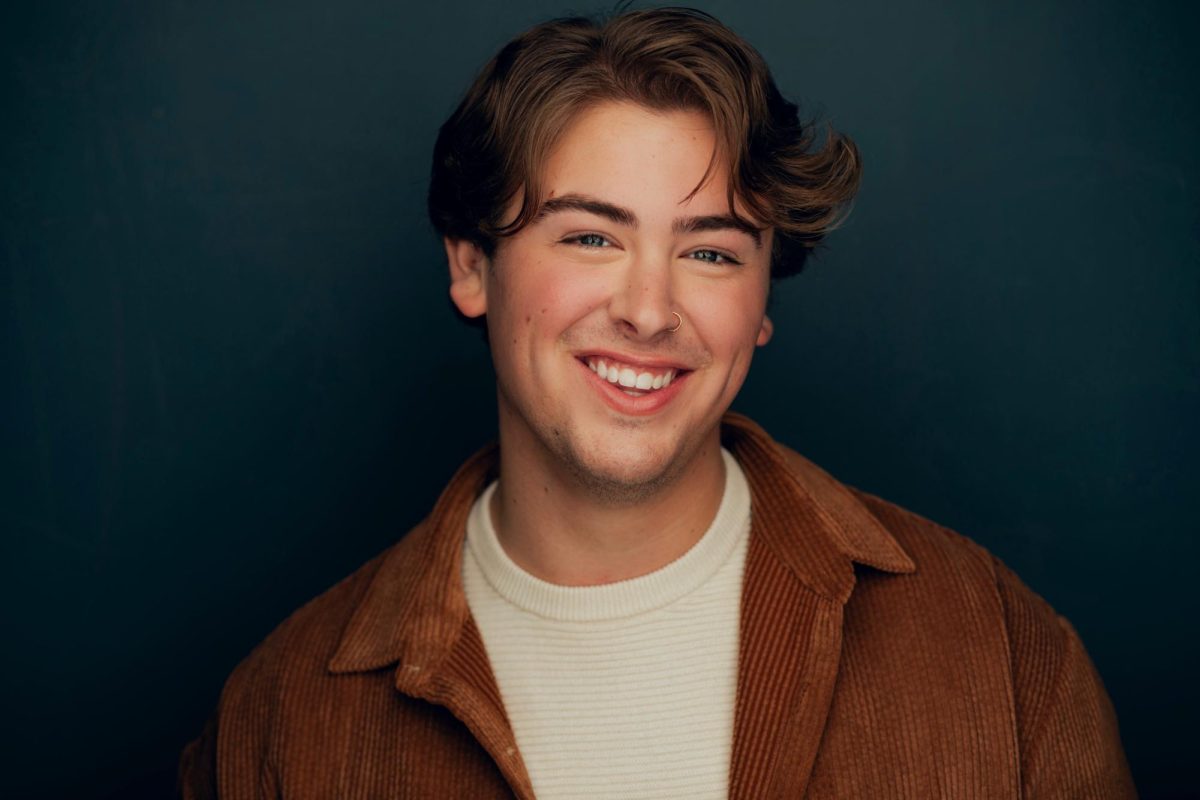
Toribio Cuevas, a content creator with more than 200,000 followers on TikTok, believes cancel culture is more about attention and less about accountability.
“I’ve always thought cancel culture was dumb and mostly used for attention,” Cuevas said. “It comes down to what you’re trying to hold someone accountable for. If a creator has built a strong community, their supporters will more than likely stay loyal to them.”
Despite the public criticism, Frankie Paul has gained more than 30,000 new followers across her social media platforms since the story broke, highlighting how online accountability often does not translate to a loss of influence.
Cancellation online is often inconsistent, with the heat going away as the general public moves its attention somewhere else.
Public figures, like Logan Paul, were able to recover from one of the biggest “cancellations” on the internet in 2018. Logan Paul posted a controversial video on YouTube at the time, where he appeared to show a deceased corpse in explicit detail. The video quickly went viral before it was taken down.
Paul was dropped by major YouTube projects, indefinitely suspending advertisements on his videos, meaning a total cutoff of income.
Today, Paul has fully rebuilt his platform. Now sitting with more than 20 million subscribers and in partnerships with major companies, including Fanatics, WWE and Polymarket, he continues to grow his brand.
Paul’s recovery shows how, even in the most extreme cases, cancellation isn’t always permanent.
However, in Taylor Frankie Paul’s case, the consequences have already been major, including the loss of a major television opportunity as well as widespread criticism. However, her continued growth on social media emphasizes the idea that publicity, whether good or bad, plays a major role in keeping public figures relevant.
This reflects one of the biggest flaws in cancel culture. While it is often used to hold individuals accountable for their actions, it does not always produce long-lasting consequences. Instead, it creates a short burst of attention and short-term backlash that eventually fades away.
As seen in both cases, being “canceled” may change the perception of someone’s career, but it does not always prevent them from growing their platform in the long run. Making it difficult to pinpoint a public figure who has been permanently “canceled” since backlash often fades as attention shifts.