
The Associated Students, Inc. (ASI) senate didn’t just pass another resolution on Wednesday. It opened the door to something long overdue.
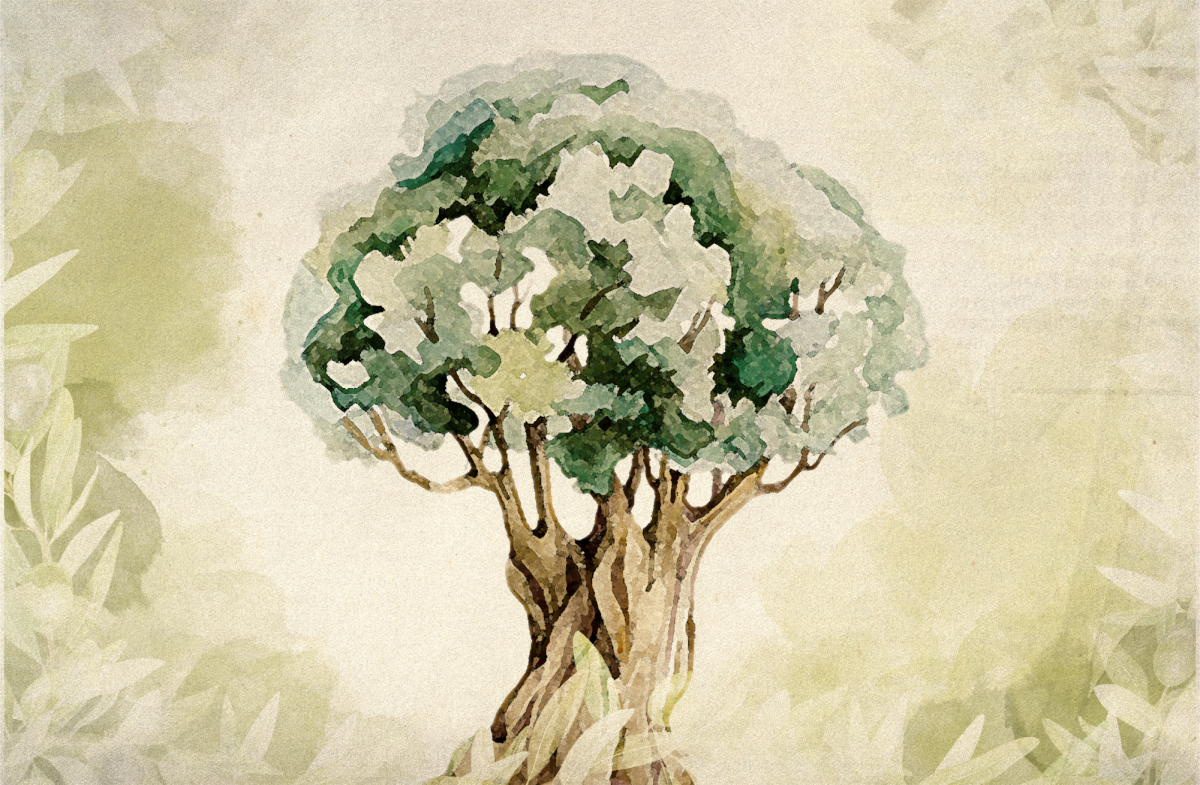
While much of the meeting focused on budgets, renovations and library hours, one proposal carried deeper weight: planting an olive tree in the Fresno State Peace Garden. ASI President Camalah Saleh said the idea had been circulating for over a year, originally brought forward by Students for Palestinian Liberation, but repeatedly delayed.
Now, with ASI’s support, it has momentum.
“My goal with this resolution was to show that the official student government and the official student voice also support funding it,” Saleh told The Collegian on Wednesday, April 8.
That distinction matters because this is not just about a tree.
In Palestine, olive trees are not decorative. They are generational. They represent endurance, identity and peace. Some live for hundreds of years, outlasting conflict, borders and politics. Planting one is not a symbolic gesture in the shallow sense. It is a commitment to memory and presence.
That is exactly why Fresno State should follow through.
For a campus that prides itself on diversity and inclusion, the Peace Garden should reflect more than just the idea of peace in the abstract. It should reflect the communities that make up this university and the histories they carry. Right now, this is an opportunity to do that in a way that is visible, lasting and rooted.
Representation should not be limited to statements, panels or temporary displays. It should live in the everyday spaces students move through, in ways that quietly affirm that they belong. When certain communities rarely see themselves reflected in those spaces, it sends a message, even if unintended, about whose stories are prioritized.
This moment offers a chance to change that. Inclusion is not just something a university claims; it is something it shows.
Saleh emphasized that the goal is to show broader community support. Whether or not someone is Palestinian, the message behind the olive tree resonates far beyond one identity. It speaks to solidarity, recognition and the idea that student voices, especially those that have felt overlooked, deserve to be seen in physical spaces on campus.
It is also worth noting what this resolution is not. It is not taking anything away from other initiatives. In the same meeting, ASI approved increased stipends, funded a lounge renovation and expanded library hours. The university is capable of doing multiple things at once. Supporting students materially and symbolically should not be treated as competing priorities.
If anything, this shows balance.
But the olive tree stands apart because of what it represents over time. A stipend increase will be adjusted with the next budget cycle. A renovated lounge will eventually need updating again. A tree, if planted, grows. It stays. It becomes part of the campus long after the current student body has graduated.
That resilience matters.
There is also something to be said about timing. Conversations around Palestine have often been reduced to headlines, politics or numbers. What gets lost are the human and cultural dimensions, the everyday connections people carry with them. An olive tree does not solve conflict, but it does create space for acknowledgment. Sometimes, that is where meaningful dialogue begins.
The resolution still needs final approvals, but the direction is clear. ASI has signaled that this matters.
Now the university should meet that moment.
Plant the olive tree.