
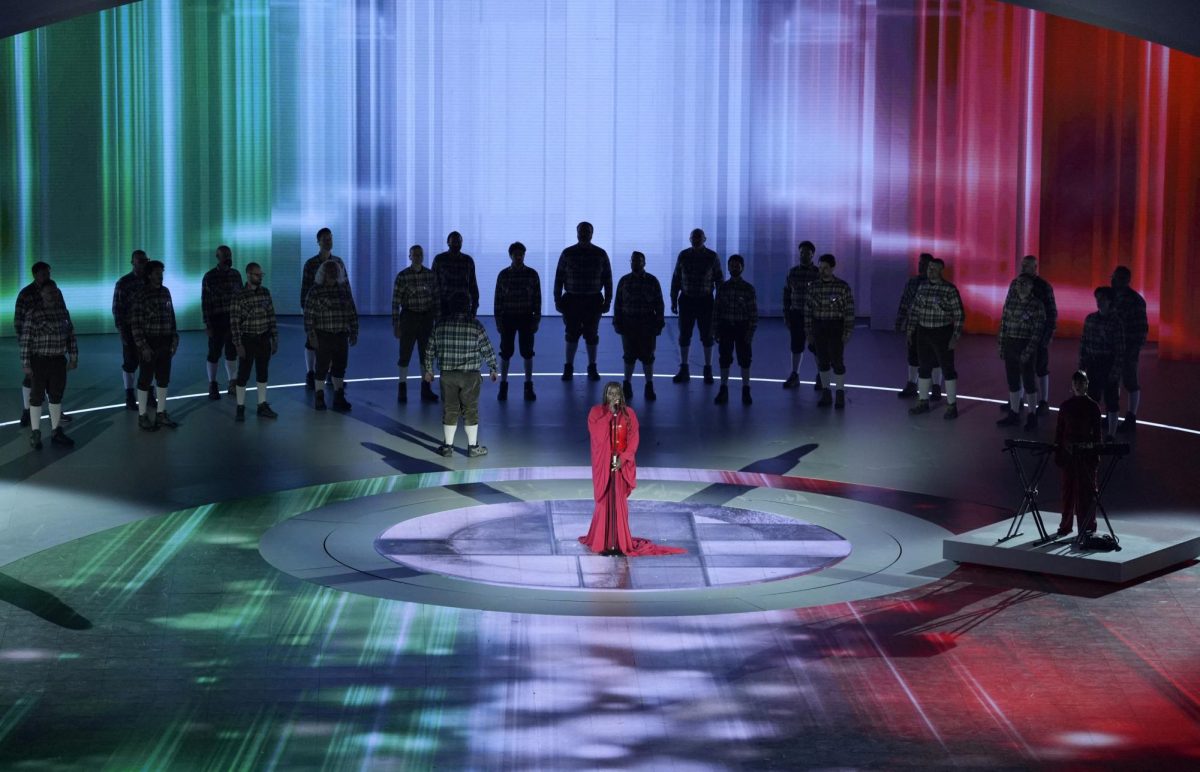
Timothée Chalamet stirred things up recently when he said in an interview alongside fellow actors, “I don’t want to be working in ballet, or opera, or things where it’s like, ‘Hey, keep this thing alive, even though, like, no one care about this anymore,’ All respect to all the ballet and opera people out there.”
It’s an honest take, and not an uncommon one. No one wants to feel like they’re preserving something in a glass case while the rest of the world scrolls past. But as someone who has spent years in theater, let me say this plainly: Performance art is not dead. If anything, it’s doing exactly what it’s always done, which is adapting, surviving and, occasionally, thriving out of pure stubbornness.
Let’s start with the obvious. If performing arts were actually dead, there would not be thousands of people willingly paying exuberant Broadway prices to sit in a dark room and cry over “Hadestown” or rap along to “Hamilton.”
Theatre wasn’t dying 10 years ago, or during the pandemic, and it isn’t suddenly irrelevant because Chalamet decided it was.
Tickets are selling, tours are packed and regional theaters are still putting on everything from Shakespearean classics to brand-new plays written about things you probably experience in your everyday life, from immigration to the impact of social media. That’s not decline, it’s evolution.
And I’ve seen this up close; when you’re in a theater, there is nothing passive about it. As an actor, you can feel when an audience is with you and when they’re not.
You adjust, you push, you listen differently.
No two performances are ever the same, which is both completely terrifying and utterly addictive. Streaming brings convenience, sure, but it cannot give you that moment when the entire theater goes completely still because something just landed. That shared silence is as much a part of the art form as the costumes the actors wear or the words they say.
Dance is often grouped into the same “dying art” conversation, but it’s adapting just as quickly.
Companies like the Alvin Ailey American Dance Theater and the New York City Ballet are still consistently packing houses, and choreographers are getting increasingly creative.
Ballet is no longer just pretty tutus and perfect symmetry. Contemporary dance mixes styles, uses projections, experiments with storytelling and sometimes just throws out the rulebook completely.
It can be utterly strange and off-putting, but audiences are showing up for it. Turns out people still like watching highly trained humans do the physically impossible.
Opera, often misunderstood to be an entertainment form only made for white elitist trash, is also evolving. Yes, it’s expensive, and sometimes it runs three hours, and everyone dies at the end.
But opera companies are adapting, modernizing productions, introducing new and exciting work and broadcasting performances to an even wider audience.
Also, let’s be honest, if someone can stand on a stage, fifty rows from you, sing over a full orchestra without a mic and still make you spill a tear, that deserves a little respect. That level of skill still resonates.
And then there’s the orchestra.
If you’ve never sat in a concert hall and felt a full symphony hit at once, I highly recommend it. It’s less background music and more ‘you can feel it in your ribcage.’
Orchestras continue to perform everything from classical repertoire to modern film scores, which, by the way, sell out very quickly when people realize they get to hear their favorite movies live. Again, not dead, underappreciated.
So why does the “it’s dead” narrative keep popping up?
Honestly, because the way we consume entertainment has changed almost completely in the last decade. Streaming is easier and cheaper. You don’t have to leave your house or put on real pants.
Live performance asks more of its audience. It asks you to show up, to pay attention, to sit with something in real time without checking your phone every five minutes. That can feel like a harder sell, but harder does not equal irrelevant.
If anything, that’s exactly why performance art still matters. It forces you to be present. It creates a shared experience with a room full of strangers who all agreed, for a couple of hours, to care about the same things.
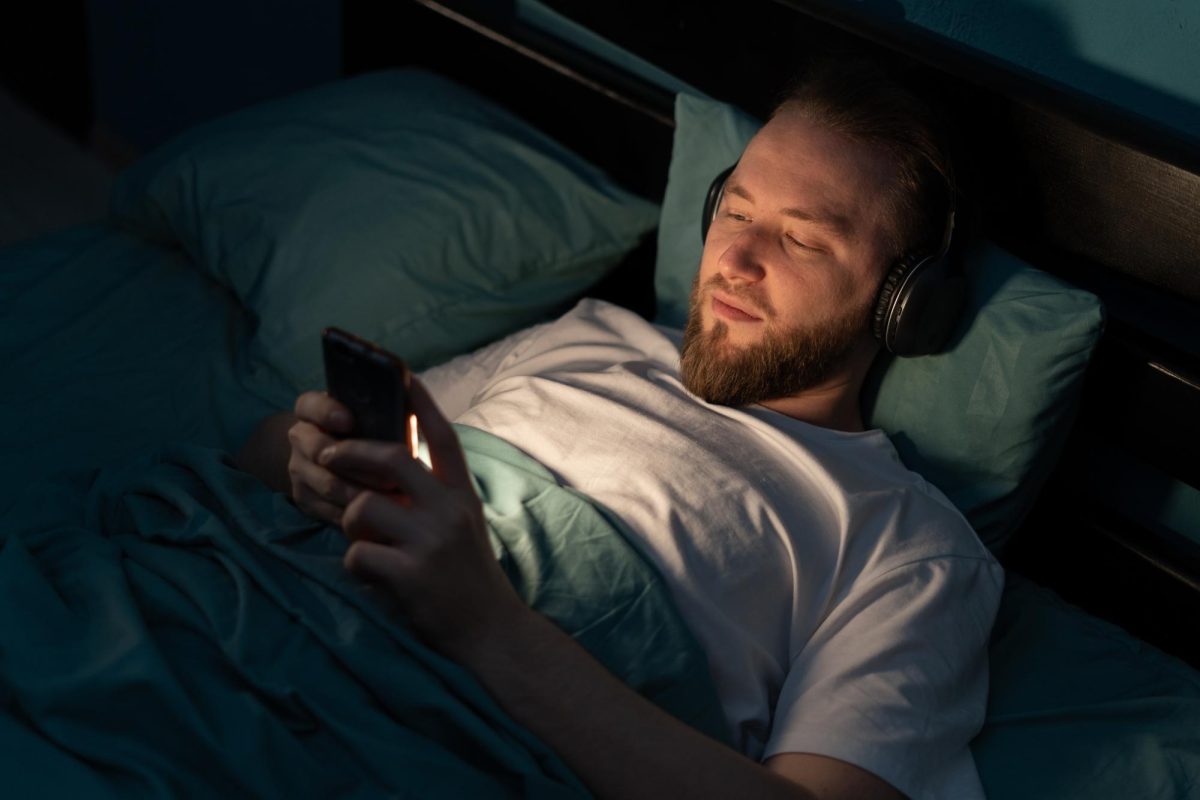
You don’t get that from watching something alone in your bed while half-scrolling TikTok. And I say that as someone who has absolutely done that.
From personal experience in theatre, that connection is immediate and undeniable. You rehearse for weeks, sometimes months, building something piece by piece, and then suddenly there’s an audience there to receive it.
Sometimes they laugh when you don’t expect them to. Sometimes they don’t laugh when you really hoped they would. Sometimes they sit in complete silence, and you realize they’re actually listening.
Something my grandfather always said was, “You can’t have theatre without an audience. Without them, I’d just be some idiot dressed in a ridiculous outfit and talking to myself for hours on end.”
The audience is necessary. Their feedback is immediate, human and impossible to fake.
So no, performance art is not dead. It’s just not always packaged in the most algorithm-friendly way. It’s in theaters, in dance studios, in opera houses, in concert halls and increasingly immersive spaces that don’t look anything like traditional stages. It’s evolving, the way it always has.
Chalamet doesn’t have to want to do ballet or opera. That’s his prerogative, but, apparently, so is losing the Oscar (0-for-9). But the idea that no one cares about these art forms anymore just doesn’t hold up. People do care. They’re showing up, they’re participating and they’re keeping these spaces alive not out of obligation, but because live performance still offers something that nothing else can.
And as long as that still rings true, performance art isn’t going anywhere.