
Anger is a powerful emotion that everyone has felt at some point. Whether you were cut in line by someone at the supermarket or a sibling stole your favorite shirt.
We all have had to deal with our anger. Now imagine someone constantly accusing you of being angry for no reason at all, just simply because of the way you look.
You now have a small glimpse of the world of a Black woman.
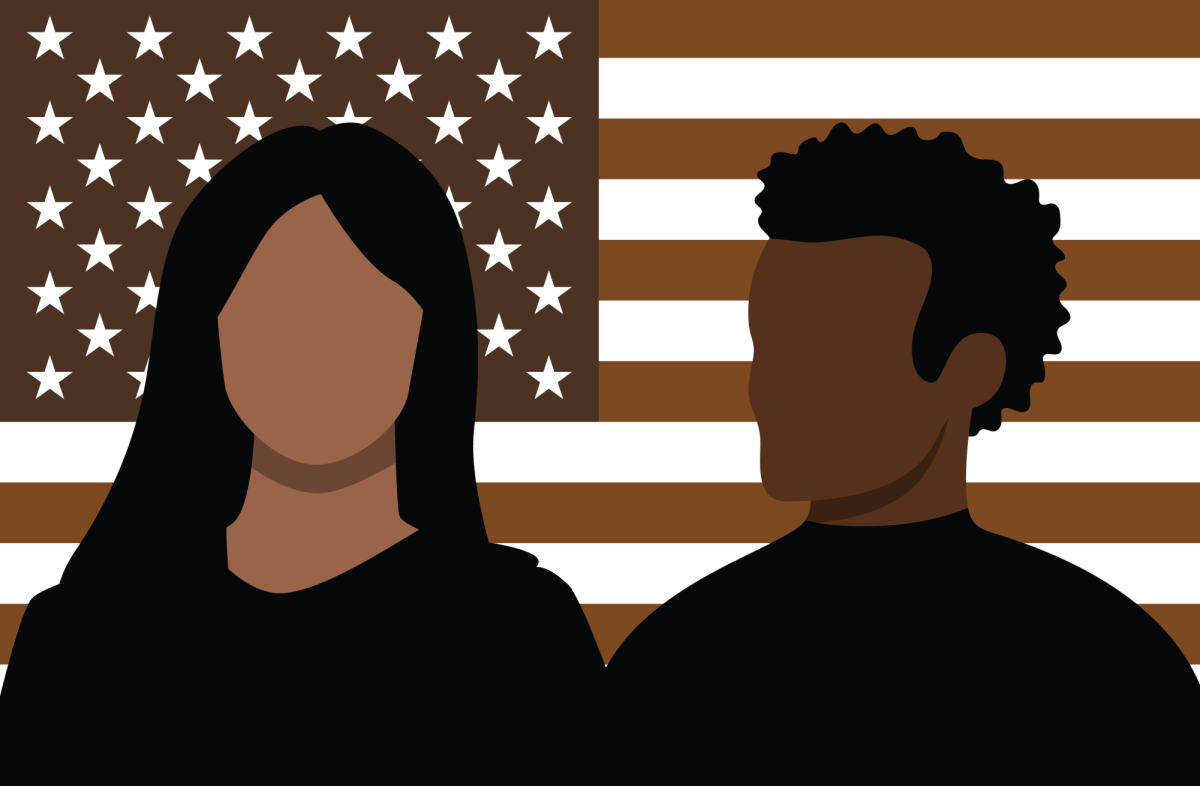
Black women have historically been treated less than throughout the history of America, through the help of systemic racism and stereotypes that have continued and are prevalent in the world we live in today.
Whether in professional environments or casual encounters, they are described as loud and quick-tempered in any scenario.
When I was younger, I witnessed my mom deal with these struggles daily. One time, it led to my mom being escorted out of the mall after a confrontation with people who had a problem with my sister and me playing in an open play area.
A woman told us we were too old and to leave immediately. My mom argued back, telling them to speak with her, not her kids. Two men quickly jumped to the defense of the woman and began screaming at my mom.
The police were called, and my mom ended up being the only one in handcuffs; the cops claimed it was so she could “calm down.” As a kid, the only emotions I felt were sadness and fear because of what happened.
Reflecting on the situation, I wonder why she always has to be the aggressor, while others are seen as heroic for standing their ground.
The roots of these tropes begin much earlier than we think, starting from slavery and continuing into the 19th century of America with minstrel shows, where white “actors” portrayed Black women as ignorant, ill-tempered and uncontrollable.
The shows were, of course, meant to give the audience a prejudice about Black women and men. The goal was to dehumanize us, Black folks, by creating an everlasting stereotypical perception.
“I feel like it’s a prison you cannot escape, no matter what you do,” said Ryan Scott, a Fresno State nursing student.
In all honesty, we all have preconceived notions about one another, whether we admit it out loud or through our actions.
I think it’s time for us to be real with ourselves. Ask yourself: Have you ever been intimidated or uncomfortable by a Black woman scrunching her eyebrows? Pointing her finger? Raising her voice?
These simple mannerisms have been considered supposedly problematic and aggressive in the culture. So if you have, then you may believe in an ongoing prejudice that has been used to belittle Black women throughout history and continue the racist cycle that may never end.
“They’re always going to take it a certain way because of what you look like,” Scott said. “It’s just like there’s nothing you can do.”
We are constantly shown what someone should look like through many different lenses. Reality TV, news and social media present people in ways that reinforce what they already believe.
This creates beneficial and harmful narratives about specific groups of people for the public, which in turn makes it difficult to break the preconceived stereotypes already in place.
However, there is a way we can start to break these stereotypes for the next generation. I believe we have to learn to communicate with one another about our shortcomings and to understand that race and ethnicity aren’t divisions; they give us the chance to expand our knowledge of the world and people around us.
Although this idea may seem like a small, irrelevant step to solving the problem of already established stereotypes. I believe it is a practical way to begin reconciliation.
“So I think we should just present how we are and be ourselves, because that’s beautiful, who we are,” said Sameyra Bostick, Fresno State liberal studies major. “I don’t think we need to change; people need to change their perceptions of us and how they approach us.”