

The spring semester is underway, and campus has filled up with new faces, new schedules and new classes. However, something that is not new to students is the inevitable flu season. Every year like clockwork, flu season comes around, and no one seems able to get away from it.
Students who get sick are faced with the decision to either push through and attend their classes or miss class and risk falling behind. For some students, the decision is based on how difficult a class is, while for others, it depends on how severe their symptoms are.
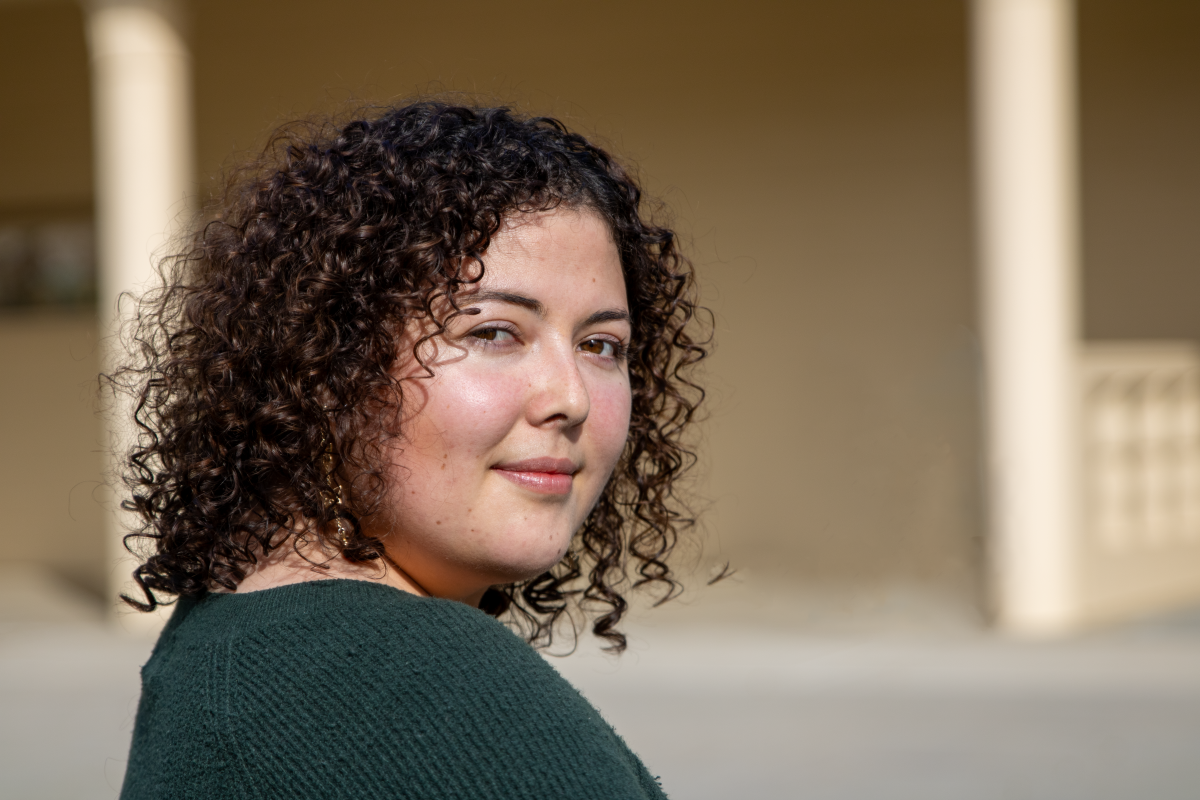
For Analicia Flores, a fourth-year nursing major at Fresno State, this decision is made based on which symptoms she feels. She believes prioritizing your body and health should be the main focus.
“When I start feeling sick, I usually think about my symptoms,” Flores said. “If I have a fever or feel really weak, I stay home. If I’m feeling okay, I’ll still go to class, but I make sure to wear a mask, keep my distance from others and always wash my hands.”
Like any other student, Flores doesn’t want to fall behind in her classes by missing a day. She recommends any student to communicate with their professors if they are worried about staying home when sick.
“Most professors and instructors are super understanding and always encourage us to rest if we come down with a cold or fever,” Flores said.
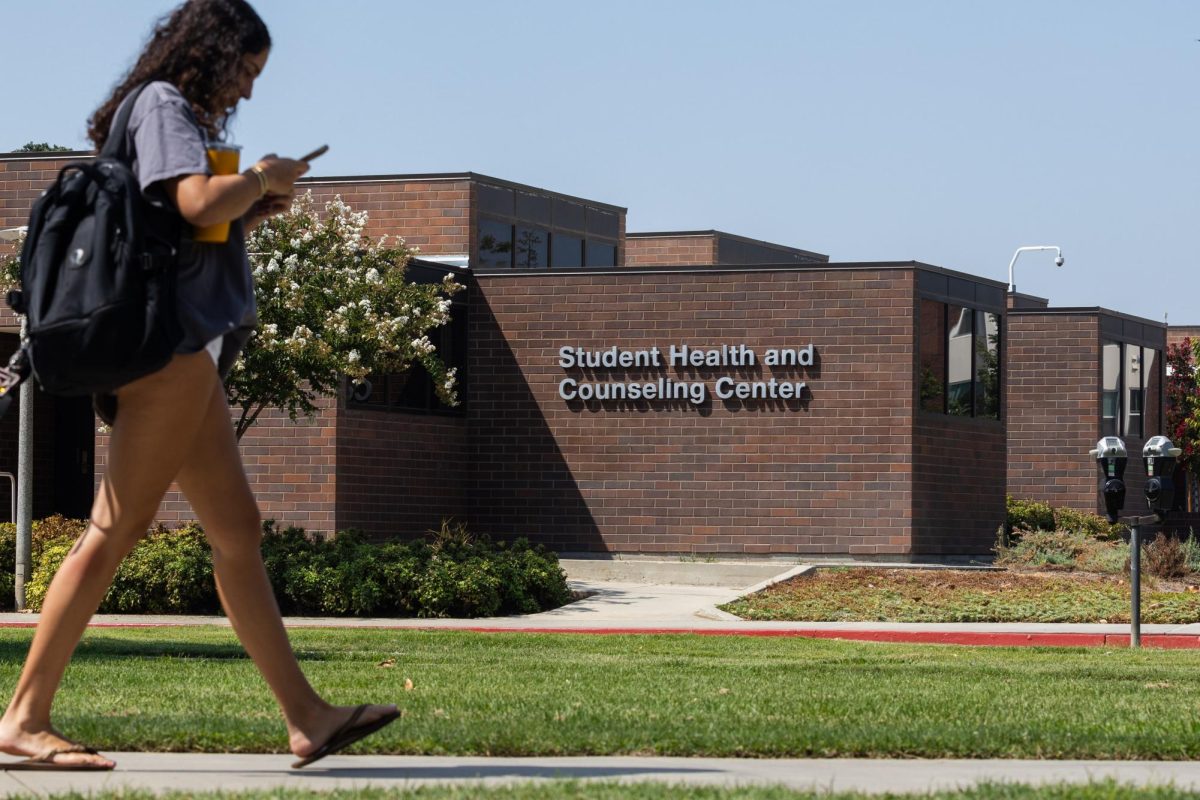
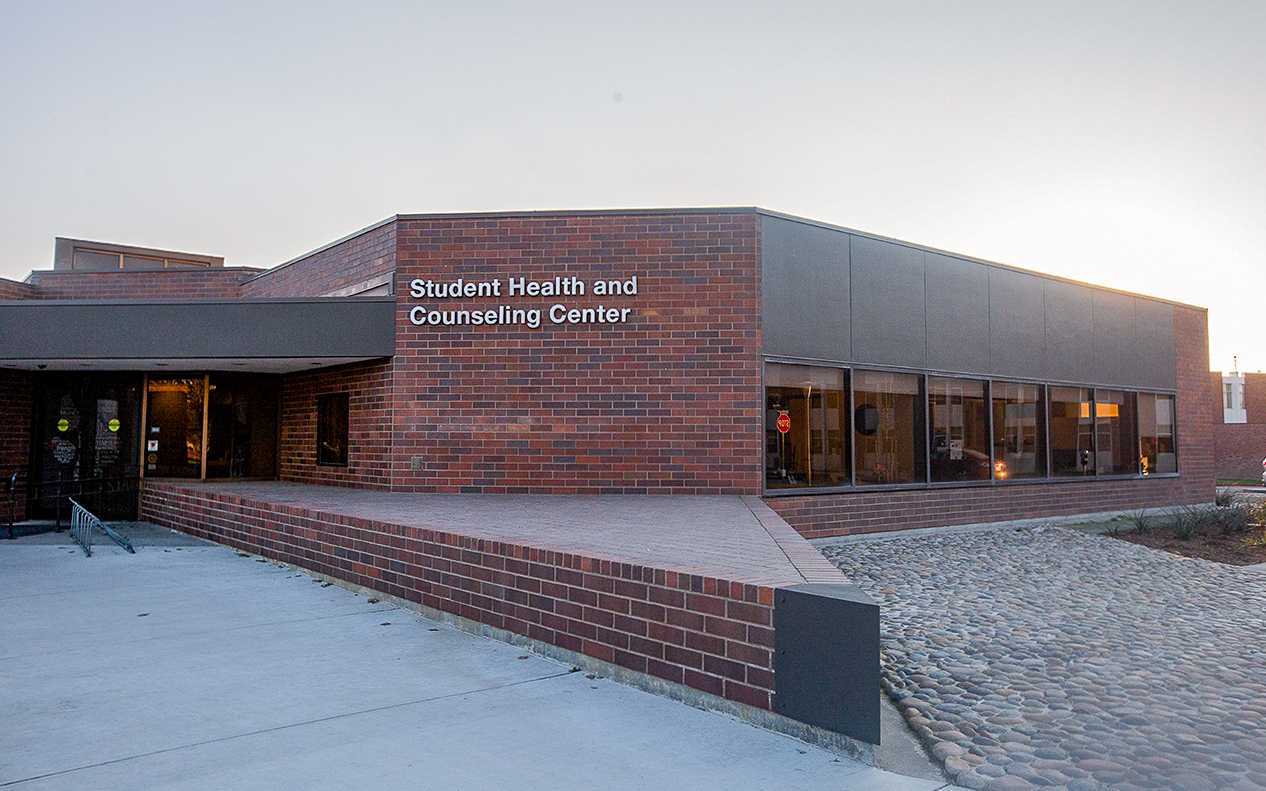
The Student Health and Counseling Center (SHCC) understands how being sick affects students and offers resources to help them on campus. “As a former alumni, I get it, the stress, the school work, I get all of it and I want to help,” said Annette Avila-Muñoz, a Nurse Practitioner at the SHCC.
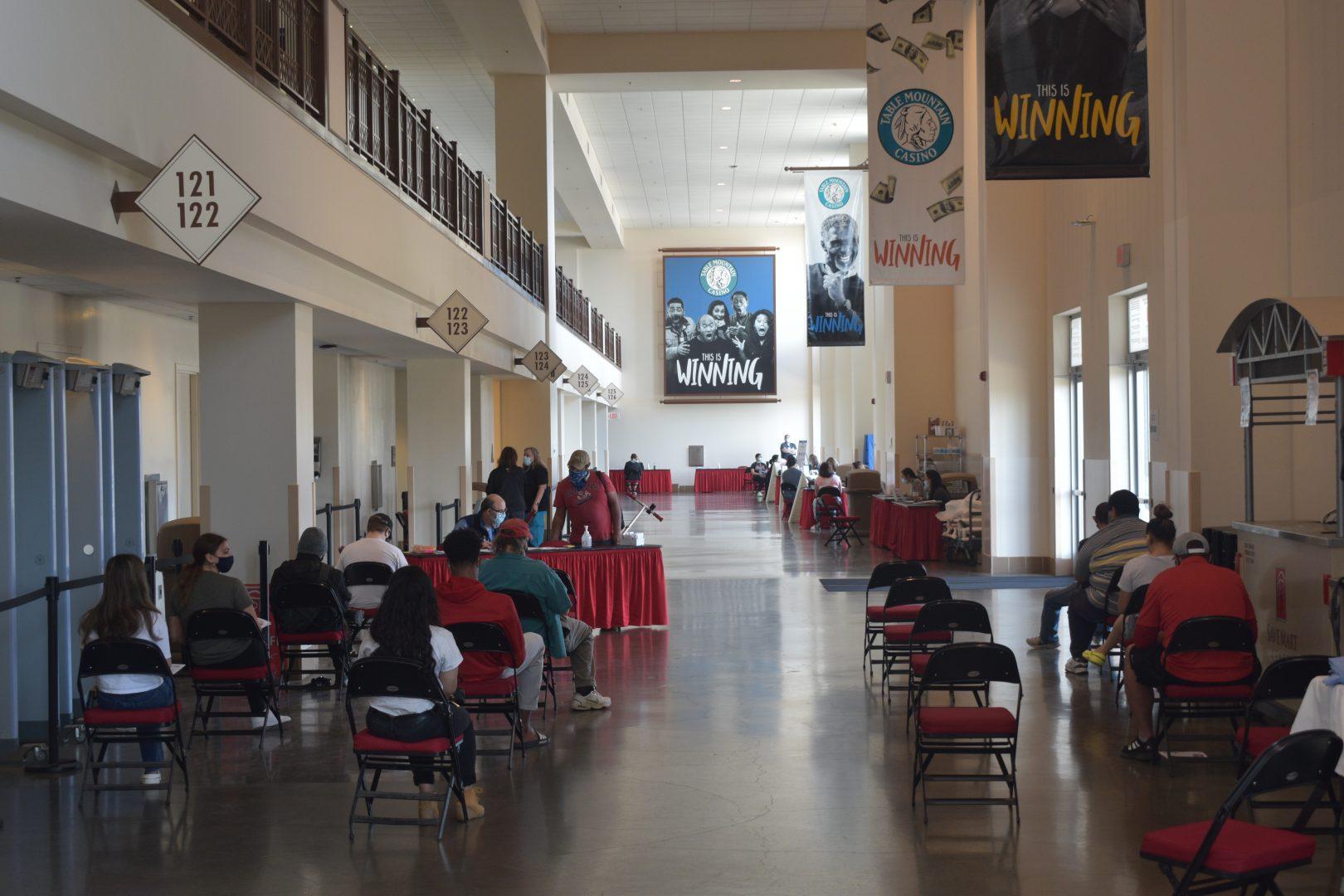
According to Avila-Muñoz, the SHCC recorded five positive cases of influenza in the past six months, about 12 cases fewer than last school year during that same time period. She heavily credits the pop-up flu clinics that they hold on campus throughout the semester as a major reason for the drop in cases.
Avila-Muñoz said one of the most common misconceptions she hears is that the flu shot can cause influenza. She urges anyone who is unsure of getting the vaccine to not only receive it but also educate themselves on it, especially with so many misconceptions about vaccinations.
“The biggest one I hear is that the flu shot made them sick. The flu shot does not give you the flu,” Avila-Muñoz said. “I’m not here to push anyone, I’m here to educate you. If you get sick after getting the shot, you more than likely were already sick.”
She says it’s all of our responsibility to stay safe and prevent the spread, believing that if you want to take care of others like your classmates and professors, you must start with taking care of yourself.
For students like Jacob Chant, it also means taking care of others, even outside of campus. As a pediatric nurse extern at Valley Children’s Hospital, Chant has seen how severe the flu season can get.
“Being a nursing student, I am able to see firsthand how big of an impact preventative health has not only in the clinical setting, but in our communities as well,” Chant said.
Chant says this has made him more cautious when it comes to preventing the spread in and out of the classroom.
“Seeing how severe the flu can be has changed the way I approach flu season,” Chant said. “It’s not about just missing classes anymore. Some patients require advanced respiratory support, closer monitoring or longer hospital stays due to the severity of their illness.”
Chant agreed with Avila-Muñoz on the importance of not only taking care of yourself but also your peers around you. Health professionals at the SHCC recommend practicing this by washing your hands frequently, getting enough rest and staying home when experiencing a fever over 100 degrees. Avila-Muñoz believes students already know the importance of taking these precautions.
“You’re a Fresno State Bulldog, you’re smart,” Avila-Muñoz said. “You know what to do to help avoid getting sick.”
With flu season continuing to spread, campus officials and students urge preventive steps to protect both the campus and the Fresno community.