

Sept. 19 marked two years since the ethnic cleansing of the Republic of Artsakh, also known as Nagorno-Karabakh.
Artsakh is the region engulfed by the country of Azerbaijan. Historically inhabited by Armenians, Artsakh has always been a generally independent region, until now.
On Sept. 19, 2023, Azerbaijan launched a military offensive on Artsakh that lasted approximately 24 hours.
Under the hands of the Russian peacemakers, Artsakh quickly surrendered at the feet of their Azerbaijani opposers and agreed to a ceasefire.
Artsakh was required to order its armed forces to drop all weaponry and defense systems as a part of the ceasefire agreement.
The aftermath sparked what scholars say is a second genocide for the Armenian people. This isn’t up for question, but up for discussion.
Almost every single Armenian individual was either forcibly displaced out of Artsakh or killed.
This was the point where we, as an Armenian community worldwide, knew it was over for our Artsakh. Sitting at home watching bomb after bomb explode on Artsakh lands, or being in the region and feeling the actual shake of the ground.
What’s happening now
Azerbaijan now has full control over Artsakh, and the world is doing nothing but watching.
Azerbaijan’s authorities have begun to implement systems of resettlement and reconstruction, leaving Armenian cultural and religious sites, as well as heritage as a whole, at risk of disappearing.
There are Armenian Christians referred to as political prisoners in detention centers under Azerbaijani control. These prisoners are living in conditions that violate Articles 9 and 14 of the International Covenant on Civil and Political Rights. This includes the right to prevent arbitrary arrest, provide a reason for arrest, provide release or trial within a reasonable time, provide a fair and public hearing, presume innocence and only to name a few; all of which these prisoners failed to receive.
The Armenian people have been doing all they can to provide the over 100,000 refugees who fled from Artsakh to Armenia with services to get them back on their feet. The hunt for housing, medical care and employment has been rigorous. The Armenian government? Not so much.
Armenian Prime Minister Nikol Pashinyan neglected to organize any memorial ceremonies in remembrance of Sept. 19. He didn’t make any public statements, either. According to many Armenians, Pashinyan is the one to blame for Artsakh’s fall.
I agree. He didn’t do enough. Dare I say he is a weak man who was never fit to lead a country, especially one like Armenia that needed and still needs someone to fight for it.
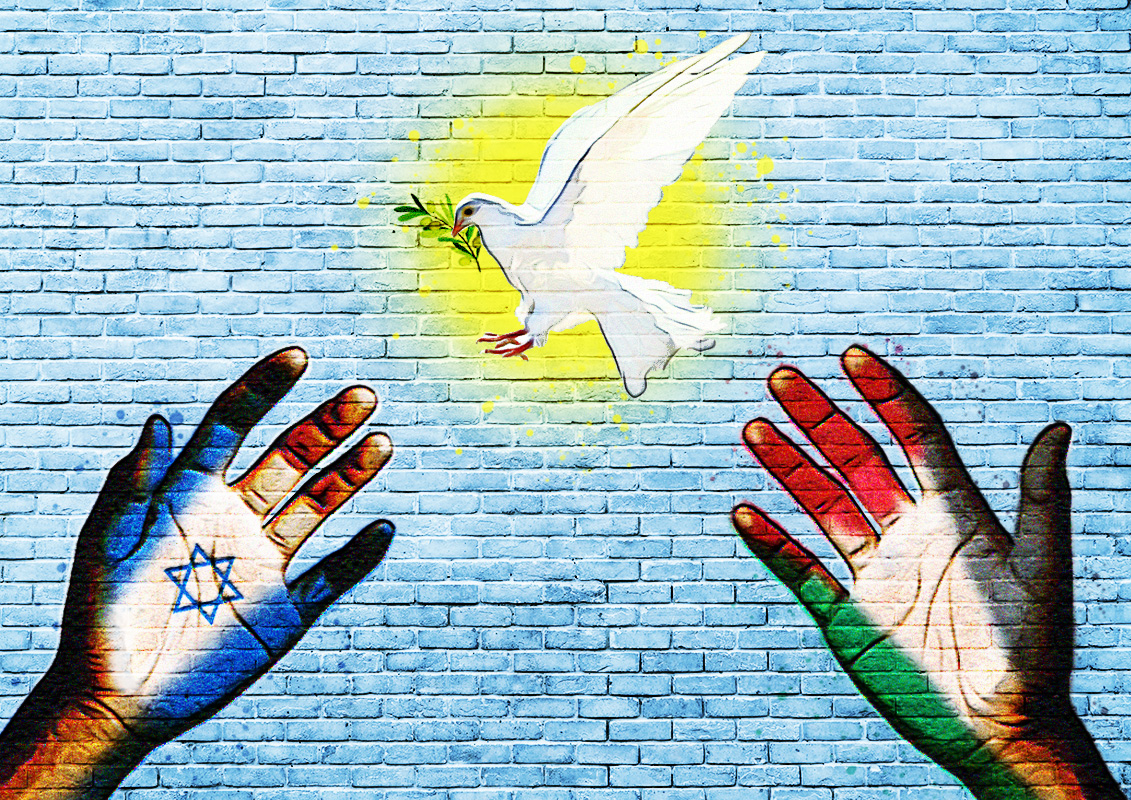
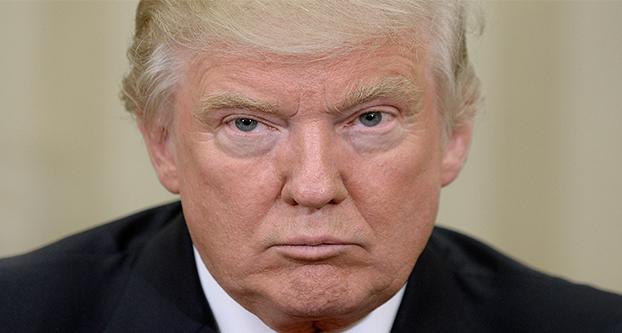
On Aug. 8, Pashinyan met with U.S. President Donald Trump and Azerbaijan President Ilham Aliyev at the White House for a trilateral signing ceremony. Armenia and Azerbaijan signed a peace deal with each other, a legal action that has been a long time coming and an emotional one even longer. The deal includes an agreement to provide a major transit corridor, the Trump Route for International Peace and Prosperity.
I, like many, thought this was a very cliché name at first listen. Trump mentioned it was the Armenians who wanted the corridor to be named this. If Pashinyan truly believes two signatures on a paper and a three-way handshake dissolve the hate Azerbaijan had towards Armenia for years on end and will truly bring peace and prosperity, he’s more of a fool than I thought.
Artsakh’s people
Gayane Hambardzumyan, an Armenian human rights defender, operates with the Women Resource Center (WRC), an Armenian women’s rights organization in Armenia. She is also a part of the Human Rights House Yerevan. Her greatest work was establishing a WRC branch in Shushi in Nagorno-Karabakh, the region’s one and only women’s center.
Hambardzumyan was forced to flee from her home in the Republic of Artsakh once the war with Azerbaijan began.
Through the tears and the sorrows, she could only hold onto her precious home for so long.
I had the honor of hearing her story, along with the stories of three other influential Armenian women, last night at the CineCulture screening of “There Was, There Was Not,” directed by Emily Mkrtichian.
Mkrtichian’s movie really put life in Artsakh into perspective.
It highlighted four women and their unique, beautiful stories. Sose, Gayane, Svetlana and Siranush. They were all citizens of Artsakh and lived such different lives, yet agreed heart to heart on one thing.
Artsakh was home.
Sose Balasanyan was a world-class martial artist in Judo, full of pure joy and optimism for the future. She sacrificed herself for her land and her people and joined the Artsakh army as a front-line soldier. She had dreams of going to the Olympics one day; she stopped dreaming when war became her reality.
Gayane Hambardzumyan devoted her life to serving people, fighting for rights and helping women. She left behind the branch she established in Artsakh and fled to Armenia to continue her work, aiding the displaced refugees of her own homeland.
Svetlana Harutunyan was one of the first and only women to offer to remove mines previously left behind during war efforts; a truly agonizing job, but she only cared to help her land recover. She was able to reunite with her daughters, who were living in Armenia before the blockade from Artsakh to Armenia was implemented.
Siranush Sargsyan was considered a civil servant in the European Parliament, campaigning for a spot on the city council and advocating for women’s rights with her cause. She is now working as a very successful journalist who continues her efforts in making Artsakh a place that Armenians and non-Armenians will never forget.
Final words
These are merely four women out of hundreds of thousands of individuals who fought long and hard to not accept defeat. However, this will not be called a defeat.
Armenians have been fighting since the first Armenian genocide in 1915, and they have never given up.
Any true Armenian at heart would never give up the fight for their people and their land. Our people have been tormented and taunted, hated for historical facts that our enemies don’t want to admit and killed for loving their land and their culture.
As a young Armenian woman who has not had the opportunity to visit Armenia, specifically the region of Artsakh, it saddens me to think about the fact that I truly may never be able to.
Last semester, I wrote a story called “Put Armenians in the headlines,” elaborating on the constant battle Armenia has had to face with their harsh reality being swept under the rug. I mentioned the love of money and power being an evil thing, not allowing corrupt governments to see people as humans, but only as toys in their game of rule. Armenia was always the victim.
The battle continues.