
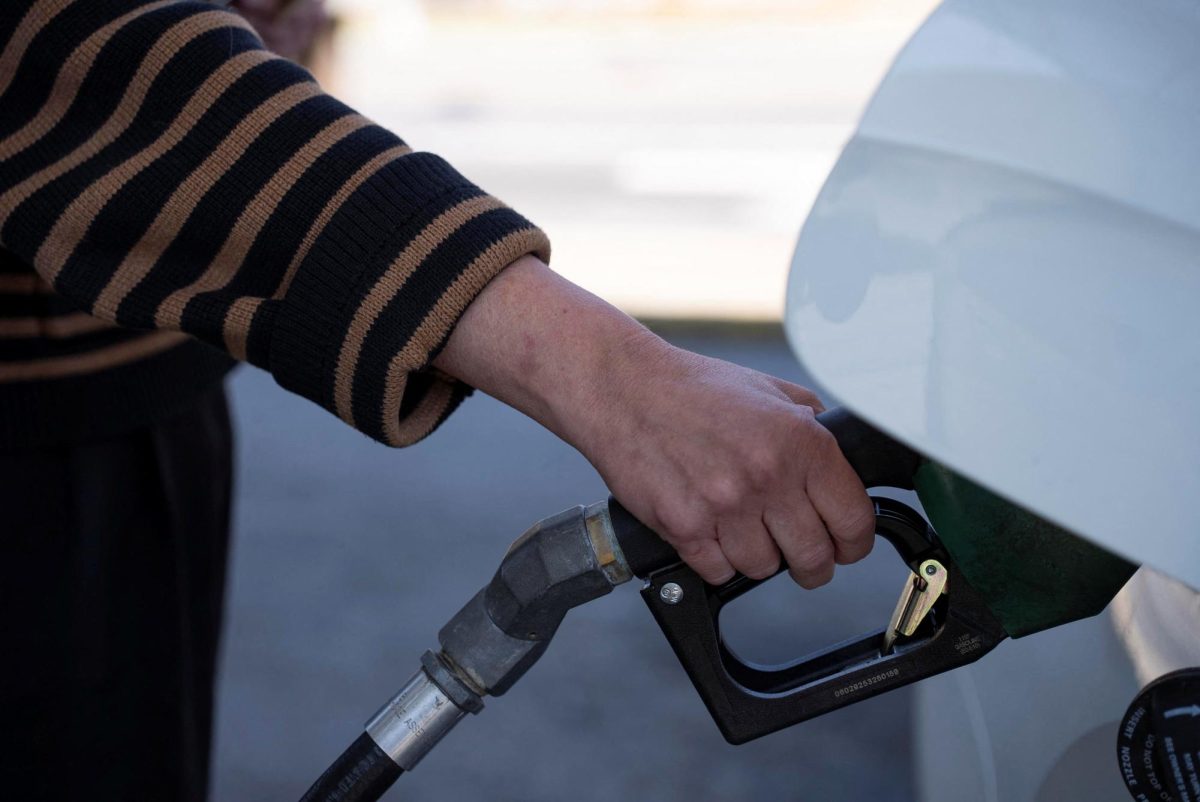
On April 2, AAA reported that fuel prices have officially reached the highest national average cost since August 2022. For the first time in four years, the cost has reached over $4.08 per gallon, marking an increase of more than a dollar since March.
California currently leads all other states with the highest average price, at $5.89 per gallon.
In some parts of California, fuel has reached unseen prices. A gas station in Monterey County has been charging close to $10 per gallon, showing just how extreme costs have become in certain areas.
For the Central Valley, a region known for commuting, driving less is not optional. This is especially true for students at Fresno State who commute to campus.
Fresno State student Dwain Maddox has quickly felt the impact of the increasing prices.
“My commute is about three hours round trip, and it’s definitely started to feel more expensive week to week,” Maddox said. “I make that drive three times a week, so it adds up quickly. Long term, if this trend continues, I will likely have to change transportation.”
Many students, like Maddox, who commute to campus, don’t have an option when it comes to saving gas. However, even for Fresno residents, budgeting has started to become a main priority.
“As a full-time college student, working a part-time job who has bills to pay, increasing gas prices are making it much harder to budget,” said Fresno State student Xenia Perez. “ I live in Fresno, my commute is 10 minutes, so it’s not bad, but if I want to visit family, I need to drive about an hour.”
While this pressure has started to slowly creep up on drivers, they have also begun to accept the reality that these changes are becoming the new norm.
“At the end of the day, regardless of the cost, I still have to go to work and school, I don’t have a choice, those drives are necessary,” Perez said.
However, while students are just now starting to feel the financial burden, the impact has been felt more by people who rely on driving for a living.
For 21-year-old Owner Operator of a transport truck Daniel Lopez, rising gas prices directly affect his livelihood.
He currently drives a 2018 Kenworth W900 and fuels up every one to two days, often spending more than $1,000 at a time.
“Higher fuel prices have forced me to be more selective with the jobs I take,” Lopez said. “I have to make sure the load covers fuel and is still worth my time.”
He also mentioned that he had to cut personal spending to make sure he can keep up with the fuel cost without stress.
“Fuel prices definitely add stress and do affect my everyday life,” Lopez said. “I’m much more cautious about what I buy outside of work, spending less and not going out in case I might need to cover fuel.”
Avoiding these high prices is no longer an option for everyday drivers in the Central Valley, instead being forced to accept, adjust and adapt to the seemingly ever-rising cost as their only solution.