
It’s not often that filmmaking in the Central Valley is given a chance to shine from outside sources. Many might even assume that filmmaking isn’t prominent within the valley at all. But that is far from accurate — there is a large enough community where outside sources aren’t the end-all, be-all.
The Community Media Access Collaborative (CMAC) is a non-profit organization based in Fresno, focused on helping community voices better connect through the use of media. Through memberships, training opportunities, facilities and equipment reservations, CMAC acts as a collaborative network for communities across the Central Valley.
One of the ways CMAC shares stories is through The Big Tell, a regional filmmaking program focused on highlighting stories in the Central Valley through the production of short documentaries. Every year, applicants submit proposals for an undiscovered story within the six-county region of Merced, Mariposa, Madera, Fresno, Kings and Tulare.
After a panel of judges evaluates the film concepts, 10 applicants are awarded grants of $5,000 to help with the creation of the short films, as well as a one-year CMAC membership, a one-on-one mentorship with local award-winning filmmaker Angelica Hernandez and a career development seminar with Emmy-nominated documentarian Sascha Brown Rice.
With this, winning applicants are given three months to complete their five to eight minute film before the annual Big Tell Showcase, where all 10 documentaries are screened. After the showcase, the documentaries are broadcast at a later date on Valley PBS and CMAC and are then made available on CMAC’s website.
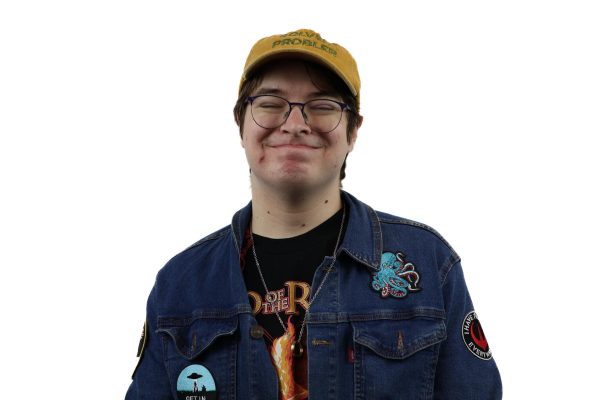
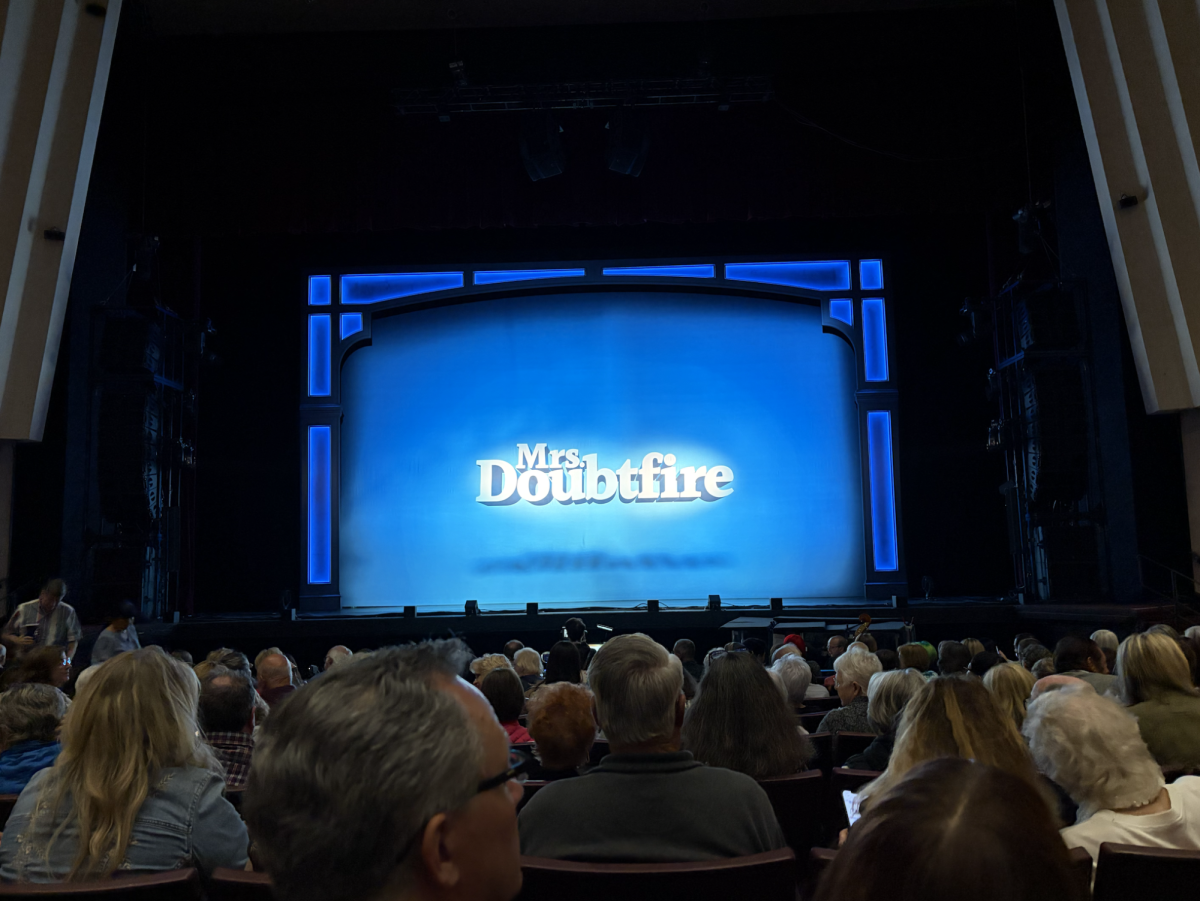
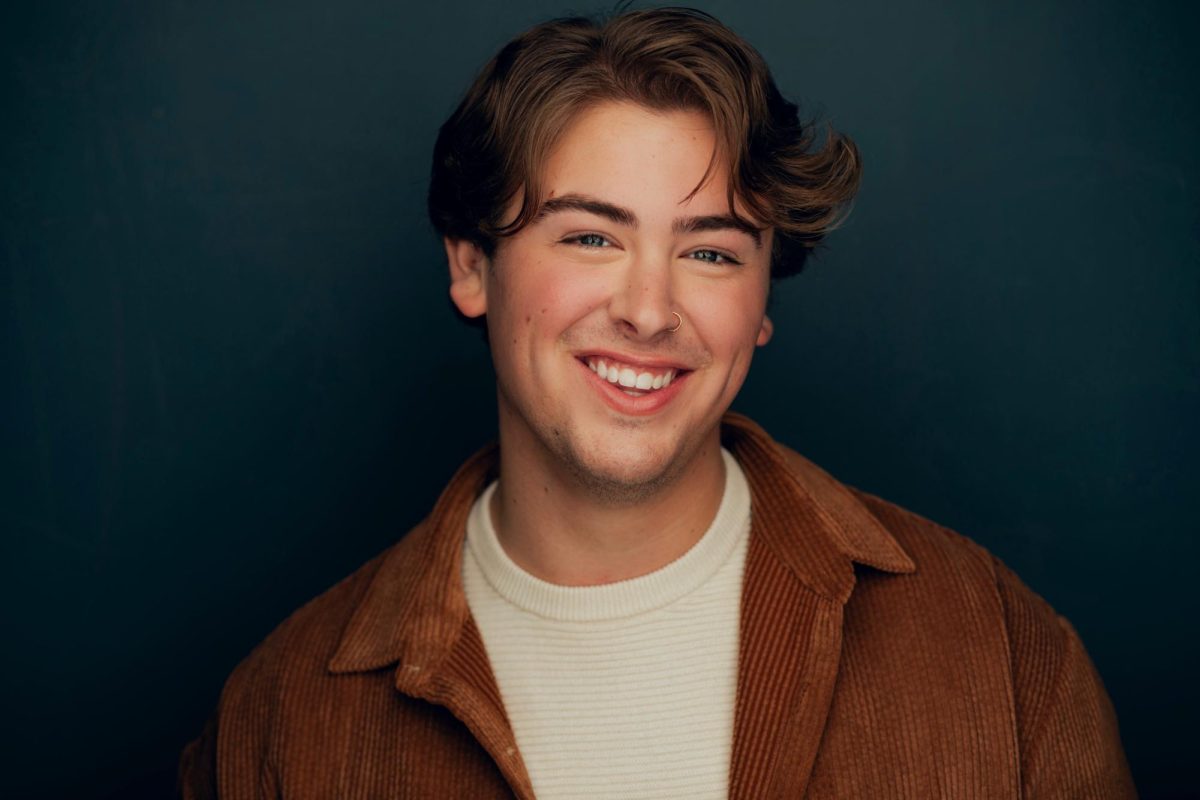
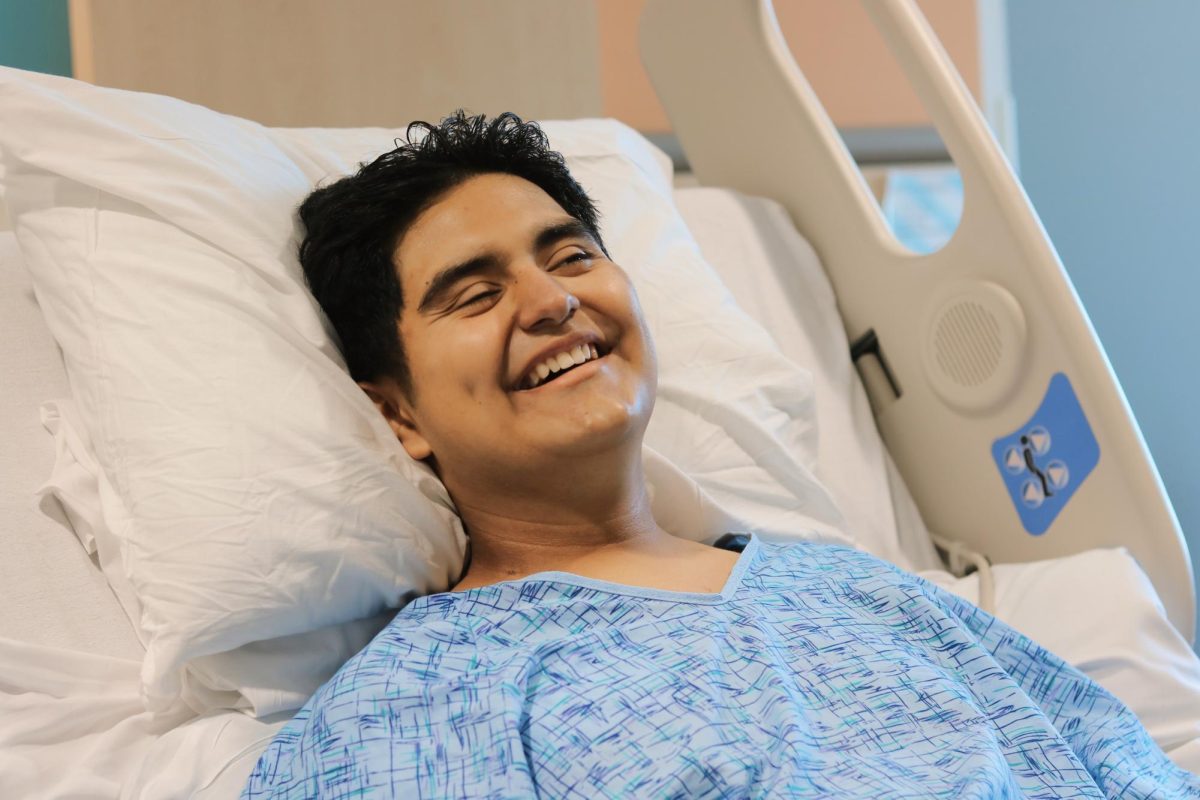
This year, three of the films presented had some connection to Fresno State. “Rhythm in Motion. Culture in Power” by Jeremy Miller covered the Red Wavettes of Fresno State. “Growing Forward” was made by Fresno State student Jackie Schuster and alumna Audrey Pichurko. Faculty member Marcos Dorado directed “The Reel Story: All About Family at the Madera Drive-In” alongside alumna Lupe López and Nathan Montalvo.
For local filmmakers curious about submitting an application, every team behind the previously mentioned documentaries recommended submitting an application for next year’s The Big Tell. CMAC does accept applications from students and those with no experience, so if someone has a story to tell, it’s worth a shot, as CMAC does try to have a range of student, amateur and professional filmmakers.
“I would tell anybody with an idea to submit,” Miller said. “The Big Tell tells so many different stories, even if you submitted an idea this year and it didn’t get picked, and it’s something you really want to portray, submit it again, and keep submitting it until you get the opportunity to share it.”
Reflecting on his previous experiences with The Big Tell, Miller reaffirmed how important it is that passionate filmmakers not give up on their ideas.
“The first time I submitted to The Big Tell I didn’t get picked up,” Miller said. “Instead of being discouraged I said, ‘okay, it wasn’t this year,’ I submitted the following year and I’ve been selected three times now. If you think it’s important and you can put it into words, you’ll be surprised to see it be picked up eventually. Whatever it is you’re trying to share, do it no matter how hard it gets. Don’t make any excuses to not share something important to you.”
For Dorado, the accessibility provided by CMAC is what really stands out.
“I think that CMAC has such an amazing wealth of resources for the community; anyone can become a member there and learn elements of filmmaking,” Dorado said. “There’s lots of different courses that one can take at CMAC.”
Dorado then expanded on what it means for these resources to be available locally.
“I would say that if you’re in filmmaking, it’s because you want to tell stories of some sort,” said Dorado. “I think it’s exciting to have the opportunity to tell a story about something right here in our very own Central Valley, and in filmmaking, the only one who can stop you is yourself. I’m very happy to enter this [art] form and excited to develop additional documentaries in the near future.”
For those new to making a documentary, Pichurko and Schuster shared that their initial idea of the story wasn’t something that was set in stone.
“It’s really important to know what story you want to tell, because that story will change throughout the process and that’s fine, that’s part of the process,” Schuster said.
Using “Growing Forward” as an example, she went on to explain that while the details of what they wanted to highlight did change, the through line of the story was still consistent with what they wanted the documentary to achieve.
“Maybe it’s because I’m too passionate about things, but I feel like a story’s not worth telling if you’re not passionate about it,” Schutster said. “If you’re passionate enough about the story, you’ll deal with those hurdles, you’ll keep going and have some sort of consistent through line.”
Pichurko highlighted that in documentary film editing, a lot of the forming of the story came from the interviewees’ comments.
“You’re not scripting them to say these things, you’re watching the interviews and you’ve got to find the story in what they’ve given you,” Pichurko said. “They’re not giving you exactly what you want, but that’s okay because they’re giving you the true answers.”
After they were broadcast on Valley PBS and CMAC in December of last year, these documentaries, along with seven others, are now available to watch online on CMAC’s website. Applications for this year’s The Big Tell will open April 4, and updates will be posted both at the previous link as well as on CMAC’s Instagram page (@cmactv).
For young filmmakers aged 18 and under, CMAC’s Youth Voices program is available to Central Valley Junior High and High School students. The program is a ten-week documentary filmmaking training program, where CMAC provides instruction, mentorship and video production equipment as the filmmakers develop and produce their own documentary films.